Reporting Tax Fraud and Scams: What Taxpayers and Small Business Owners Need to Know
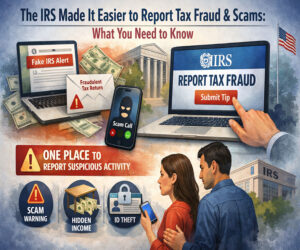 Tax problems are stressful. Tax fraud and scams make them worse. Many people know when something feels wrong, but they do not know what to do next. That delay can create bigger problems.
The IRS has made it easier for people to find where to report suspected tax fraud and scams. That matters because many taxpayers face confusing situations. They may receive a fake IRS text. They may get a suspicious email. They may discover a return was filed without their approval. A business owner may suspect hidden income, off-the-books payroll, or false reporting.
A simpler reporting process helps, but it does not solve everything. The real issue is knowing what kind of problem you have. A scam is not the same as tax fraud. Tax fraud is not the same as a tax compliance problem. Each one requires a different response.
Why Reporting Tax Fraud and Scams Matters
Reporting Tax Fraud and Scams matters because tax-related wrongdoing can cause financial loss, identity theft, filing delays, and business risk. It can also create legal and tax problems if ignored.
For individuals, the warning signs may include fake IRS calls, texts, emails, or a return filed without permission. For business owners, the problem may involve a dishonest preparer, false deductions, hidden income, or workers paid off the books.
In each case, delay can make the situation worse. Evidence can disappear. Filing deadlines can pass. Financial damage can grow.
Why People Wait Too Long
Many people hesitate because they think:
“It is probably nothing.”
“I do not want to overreact.”
“I will deal with it later.”
Those thoughts are common, but they are risky. When you suspect tax fraud or a scam, you should take the situation seriously. Acting early gives you more control.
What the IRS Change Means
The IRS now offers a clearer starting point for people who need to report tax fraud and scams. That is helpful because taxpayers often do not know where to begin. A simpler process can reduce confusion and help people find the right path faster.
That does not mean every tax problem should be reported the same way. The right response depends on the facts. A phishing text is different from a dishonest tax preparer. A payroll tax problem inside a business is different from identity theft. A false return filed without your approval is different from a bookkeeping mistake.
A Better Starting Point
A better reporting page helps people take the first step. It gives taxpayers a place to begin when they believe something is wrong.
Not a Complete Solution
A starting point is useful, but it is not the whole answer. You still need to identify the problem correctly. Some situations require reporting. Others require correction, protection, or tax resolution.
Common Signs of Tax Fraud and Scams
Tax fraud and scams can take many forms. Some are obvious. Others are harder to spot.
Fake IRS Calls, Texts, or Emails
Scammers often use fear. They may demand money. They may threaten arrest. They may ask for personal information. They may tell you to click a link.
Do not trust a message just because it mentions taxes or uses IRS language.
If you get a suspicious message:
- Take screenshots.
- Save the email.
- Keep the text.
- Write down the phone number.
- Save the letter.
- Do not delete evidence.
Do not click links. Do not send money. Do not give out your Social Security number, EIN, tax returns, bank records, or payroll reports to someone you do not know.
A Return Filed Without Approval
If you learn that a return was filed without your knowledge or approval, take it seriously. That may point to identity theft, preparer misconduct, or another serious tax problem.
A Tax Return That Does Not Look Right
If a preparer filed a return that includes information you do not recognize, the issue may involve error, misconduct, or fraud. That should not be ignored.
Hidden Income or Off-the-Books Payments
Business owners may discover that a partner, employee, or preparer is hiding income or paying workers off the books. These issues can create serious tax exposure and should be reviewed quickly.
Know the Difference Between a Scam, Fraud, and Compliance Problem
This is where many people get confused. Not every tax problem falls into the same category.
Scam
A scam usually involves deception. Someone pretends to be the IRS or another trusted source to steal money or information.
Tax Fraud
Tax fraud usually involves dishonest tax conduct. That can include false reporting, hidden income, or other deliberate actions that break tax rules.
Compliance Problem
A compliance problem involves your own tax filings or obligations. It may include unfiled returns, payroll tax issues, bookkeeping errors, or inaccurate reporting that needs correction.
These categories can overlap, but they are not the same. The wrong response can waste time and make the problem harder to fix.
Why Small Business Owners Need to Be Careful
Small business owners often face more tax risk because their finances are more complex. They may have payroll, contractors, bookkeeping systems, outside preparers, and business partners. That creates more chances for errors, misconduct, or fraud.
Business owners should ask two questions:
What is the problem?
What is the right response?
That approach is better than reacting too fast or doing nothing.
Common Business Risk Areas
Business tax problems often involve:
- Payroll taxes
- 1099 reporting
- Bookkeeping errors
- False deductions
- Hidden income
- Partner disputes
- Returns filed without review
Some of these problems require correction. Some require reporting. Some require both.
What To Do If You Suspect Tax Fraud or a Scam
A careful response is better than an emotional one. Focus on facts first.
Preserve the Evidence
Save emails, texts, letters, phone numbers, screenshots, and other records. Do not delete anything that may help show what happened.
Stop Contact With the Suspected Scammer
Do not click links. Do not send money. Do not provide personal or business information.
Identify the Type of Problem
Ask whether you are dealing with a scam, tax fraud, or a compliance issue. That step matters because the correct solution depends on the problem.
Get Professional Guidance
If the facts are unclear, get help from a qualified tax professional. A professional can review the issue, identify the category, and help you choose the right response.
That may include reviewing returns, checking records, addressing payroll problems, correcting filings, or helping with tax resolution.
Why Professional Help Matters
People often make tax problems worse by guessing. They may wait too long. They may report the wrong issue. They may miss the need to correct a filing or protect themselves from identity theft.
Professional guidance helps reduce that risk. It can also help small business owners who are already managing bookkeeping, payroll, and tax responsibilities.
The goal is not only to report the problem. The goal is to protect yourself, correct what needs fixing, and reduce the chance of more damage.
Conclusion
The IRS has made reporting tax fraud and scams easier. That is a helpful change. It gives taxpayers a clearer place to begin.
Still, the most important step is understanding the problem. A scam is different from tax fraud. Tax fraud is different from a compliance issue. The right solution depends on the facts.
If something seems wrong, do not ignore it. Save the evidence. Protect your information. Take the issue seriously. A prompt and careful response can protect your finances, your business, and your peace of mind.
Contact us if you need help with suspicious tax activity, tax fraud concerns, unfiled returns, payroll tax issues, or tax resolution.